
INSIGHTS
Why Does IT Hardware Cost So Much More Now?
If you’ve replaced a business laptop or desktop recently, you’ve probably noticed the prices. Devices that once cost £500-£600 are now often nearly £1,000, leaving many business owners wondering what changed.
The answer isn’t simply inflation. Rising manufacturing costs, supply chain disruption, Windows 11 hardware requirements and increased demand for higher-performance devices have all contributed to higher prices. While hardware has become more capable than ever, businesses are increasingly having to balance performance, security and longevity against tighter budgets.
You’re not imagining it, hardware costs really have changed
We buy from the same distributors as everyone else, and the cost going into our own quotes has risen noticeably. Inflation is part of the story, but several bigger, more specific industry changes have combined to push hardware costs higher across the board, and understanding them makes the number on your quote a lot less mysterious.
1. Memory and storage costs have spiked
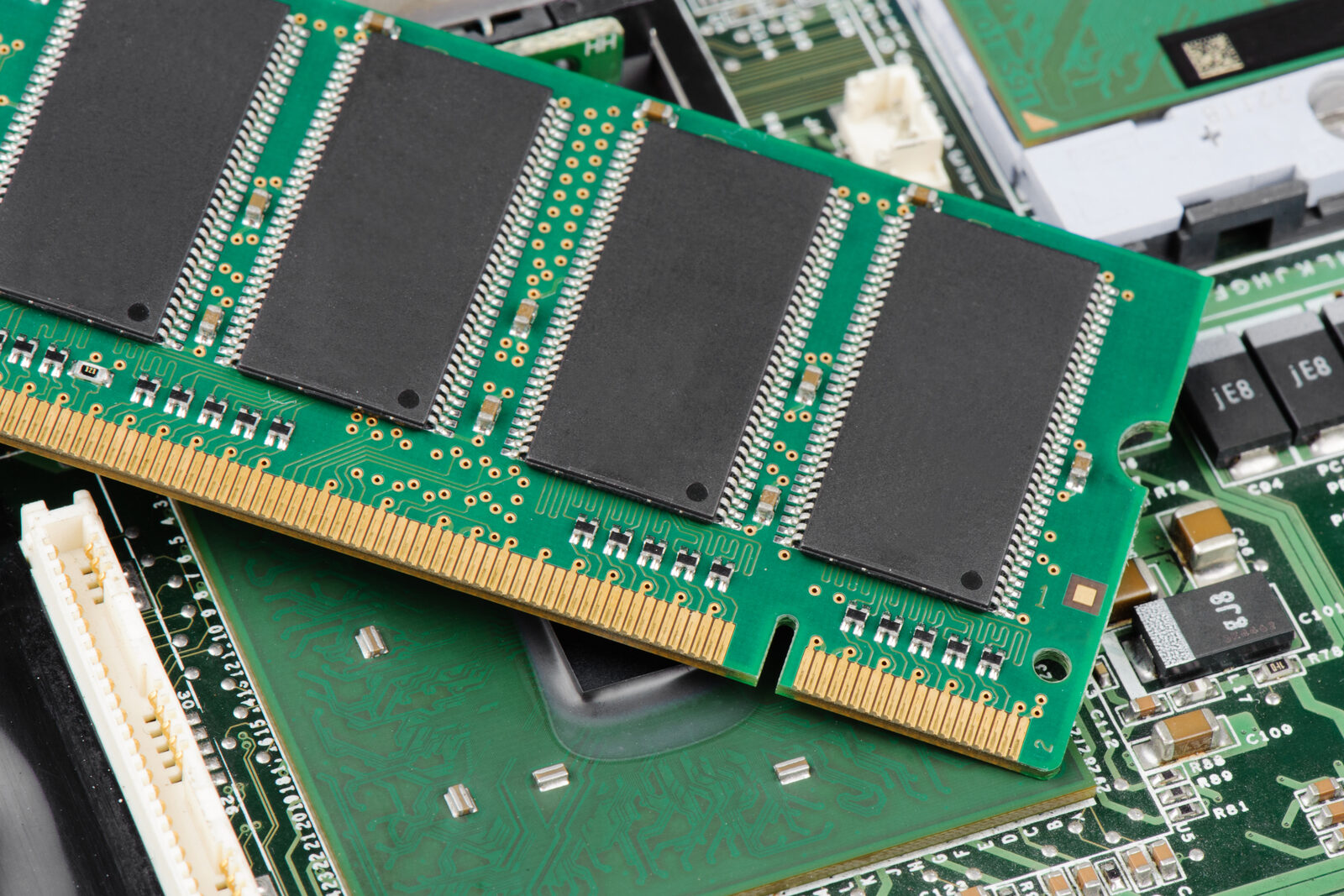
Every laptop, desktop and server relies on memory chips (RAM) and flash storage (SSDs), and the market for both has tightened sharply. The main cause is AI data centres. The huge server farms being built to run AI systems consume enormous amounts of memory, and chip manufacturers have shifted production capacity toward that higher-margin business and away from the everyday chips that go into ordinary business PCs.
Less supply for the same demand means higher prices, and manufacturers including Micron and SK Hynix have said the shortage is likely to run through 2027, with meaningful new supply not expected until 2028. This isn’t a short-term blip we’re waiting out.
2. Modern hardware requirements are higher
The average business laptop today is genuinely more capable than its equivalent from five years ago. Businesses now expect faster solid-state storage, higher resolution displays, longer battery life, more memory as standard, and increasingly, dedicated AI processing capability. These improvements deliver real value, but they inevitably increase what a device costs to manufacture.
3. Windows 10’s retirement and Windows 11’s requirements are colliding
Microsoft ended support for Windows 10 in October 2025. No more security updates, which means any business still running it is exposed unless they pay for extended support or move to new hardware. A large number of business PCs were still on Windows 10 right up to that deadline, so a lot of companies are replacing fleets at the same time, right as the component shortage above is already pushing costs up.
It’s made worse by Windows 11 itself. Microsoft’s hardware requirements, particularly around the security chip (TPM 2.0) and processor generation, mean plenty of machines that work perfectly well day to day simply aren’t eligible for the upgrade. That forces a hardware replacement that a straightforward software update would once have avoided.
You can pay Microsoft for extended security updates instead of replacing hardware straight away, but it’s not a cheap way to stand still. That programme is now heading into its second year, and the price doubles every year it runs, so it gets more expensive the longer the decision is put off.
4. Exchange rates play a part too
Most of the world’s technology is manufactured and traded internationally, and a lot of it is priced in US dollars before it ever reaches a UK price list. When the pound weakens against the dollar, distributors buying components internationally feel it first, and that cost works its way through to the price we’re quoted, and in turn what we quote you.
What should businesses do?
Rather than focusing purely on purchase price, it’s worth weighing up:
- Device lifespan
- Warranty terms
- User productivity
- Security features
- Supportability
A laptop that lasts five years and causes fewer support issues often works out better value than a cheaper model that needs replacing after three. That’s easier to judge with proper managed IT support keeping an eye on your fleet. We’re not padding quotes to cover rising costs, and we’ll always tell you plainly what something costs and why, including when timing is flexible and when it genuinely isn’t.
Planning a hardware refresh?
If you’re unsure whether your current devices are suitable for Windows 11, or you’re trying to budget for what’s coming, we’re happy to talk it through.
Book a 20-minute call or call us on 023 9200 7850.